The Team PCP Snowball Effect: A Quantitative Analysis
Supply chain attacks cascade through ecosystems in ways traditional metrics hardly capture. GitGuardian evaluates the PCP Team incidents and finds damage spread to thousands of public targets.
Supply chain attacks cascade through ecosystems in ways traditional metrics hardly capture. GitGuardian evaluates the PCP Team incidents and finds damage spread to thousands of public targets.
GitGuardian’s 5th State of Secrets Sprawl report is here. In this blog, we unpack the key findings behind the 2026 edition, from AI-driven leak growth to the remediation gaps security teams can’t ignore.
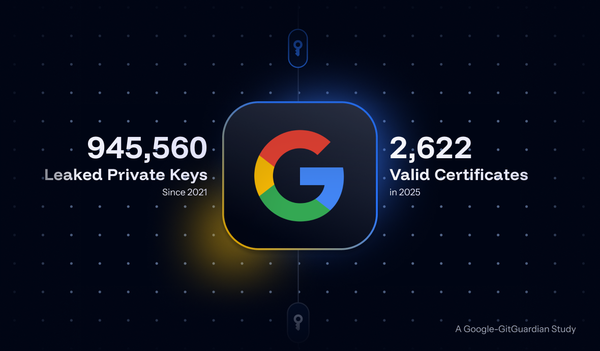
GitGuardian partnered with Google to answer: what happens when private keys leak? Using Certificate Transparency, we mapped about 1M leaked keys to 140k certificates. Result: 2,622 were valid as of September 2025, exposing major organizations. Our disclosure campaign achieved 97% remediation.
Early 2026, Moltbot a new AI personal assistant went viral. GitGuardian detected 200+ leaked secrets related to it, including from healthcare and fintech companies. Our contribution to Moltbot: a skill that turns secret scanning into a conversational prompt, letting users ask "is this safe?"
![Shai-Hulud 2.0 Exposes Over 33,000 Unique Secrets [Updated Nov, 27]](https://storage.ghost.io/c/42/5d/425d266f-cf99-406e-9436-597a19bed011/content/images/size/w600/2025/11/shai-hulud--2--1.png)
On November 24, a new wave of the Shai-Hulud supply chain attack emerged. The threat actors exfiltrate stolen credentials directly to GitHub repositories created with compromised tokens.
We found a path traversal vulnerability in Smithery.ai that compromised over 3,000 MCP servers and exposed thousands of API keys. Here's how a single Docker build bug nearly triggered one of the largest AI supply chain attacks to date.
The threat GitGuardian has long-anticipated is now a reality: criminal groups are executing systematic attacks targeting hardcoded credentials and over-permissive IAM configurations. The situation escalated when Shiny Hunters and Crimson Collective formed an alliance to coordinate efforts.
On September 5, 2025, GitGuardian discovered GhostAction, a massive supply chain attack affecting 327 GitHub users across 817 repositories. Attackers injected malicious workflows that exfiltrated 3,325 secrets, including PyPI, npm, and DockerHub tokens via HTTP POST requests to a remote endpoint.
Laravel APP_KEY leaks enable RCE via deserialization attacks. Collaboration with Synacktiv scaled findings to 600 vulnerable applications using 260K exposed keys from GitHub. Analysis reveals 35% of exposures coincide with other critical secrets including database, cloud tokens, and API credentials.
This post details the methodology used to scan 15 million Docker images, uncovering a staggering 100,000 valid secrets, including AWS, GCP, and GitHub tokens belonging to Fortune 500 companies. This emphasizes the critical need for improved security practices in containerized environments.
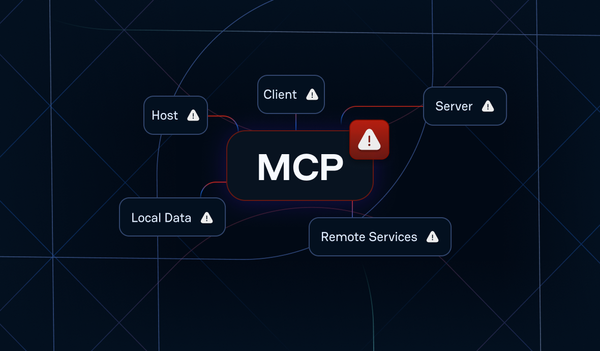
MCP rapidly enhances AI capabilities but introduces security challenges through its distributed architecture. Especially, the distributed nature of MCP requires a lot of NHIs and their secrets. Our research shows that MCP is a new source of leaks that already discloses real-world secrets.
Responsible disclosure is an often overlooked but critical component of cybersecurity alerting processes. Explore key best practices that can enhance communication and collaboration with researchers, turning potential security threats into opportunities for stronger defense.

GitGuardian is the code security platform for
the DevOps generation.
With automated secrets detection and
remediation, our platform enables Dev, Sec, and Ops to advance together
towards the Secure Software Development Lifecycle.
Subscribe to our newsletter to receive the latest content and updates from GitGuardian.