
Mini Shai-Hulud's Latest Wave: 280 New Places It Hunts for Your Secrets
A new Mini Shai-Hulud wave hit keyv and 800+ npm packages. The malware now scans 469 secret locations, including AI agents, crypto wallets, and CI/CD tools.
Millions of fake commits are flooding GitHub's public feed. We followed the trail to a rebranded gambling site hiding behind a defunct lottery brand.
Code from GitHub and Grafana is in criminal hands. Secrets buried inside could open doors no one is thinking of protecting yet, and AI will make hunting 0-days in that private code faster than ever.
A self-replicating worm is actively compromising packages with 3M+ weekly downloads, hijacking tokens from CI/CD pipelines, and bypassing trusted publishing protections.
LLMs leave statistical fingerprints in the passwords they generate. We built a 100-year-old model to find them and detected 28,000 in the wild.
Recent supply chain attacks stayed live for hours. Automation tools silently merged their malware in minutes. Read how upgrade bots and AI agents became the insider threat.
What resonated most at RWC 2026? GitGuardian highlights key research on private key leaks, password managers, trusted execution environments, and secret sprawl.
Supply chain attacks cascade through ecosystems in ways traditional metrics hardly capture. GitGuardian evaluates the PCP Team incidents and finds damage spread to thousands of public targets.
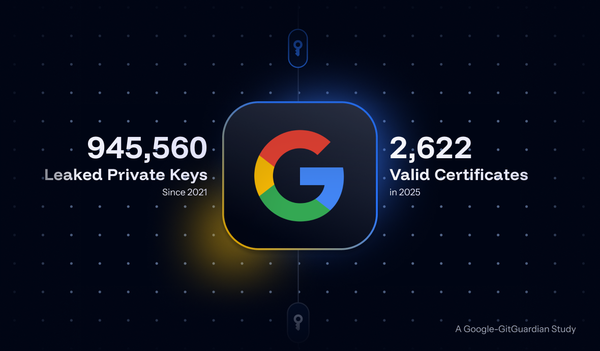
GitGuardian partnered with Google to answer: what happens when private keys leak? Using Certificate Transparency, we mapped about 1M leaked keys to 140k certificates. Result: 2,622 were valid as of September 2025, exposing major organizations. Our disclosure campaign achieved 97% remediation.
Bug bounty programs are valuable—until they replace disclosure policies. Learn how unreasonable PoC demands or scope exclusions create security blind spots when it comes to leaked secrets.
On November 24, a new wave of the Shai-Hulud supply chain attack emerged. The threat actors exfiltrate stolen credentials directly to GitHub repositories created with compromised tokens.
We found a path traversal vulnerability in Smithery.ai that compromised over 3,000 MCP servers and exposed thousands of API keys. Here's how a single Docker build bug nearly triggered one of the largest AI supply chain attacks to date.